
By Julie Allen
I just realized I missed the deadline for filling out the survey on how Washougal should spend its ARPA money. As you may know, ARPA stands for American Rescue Plan Act of 2021. Funding was allocated to communities around the US based on population size, and Washougal received $4.5 million. City planners identified five possible projects that the money could fund (or at least partially fund), and spent the summer asking for feedback about them. But the survey closed before I got a chance to add my two cents. I’m sick about that, and here’s why.
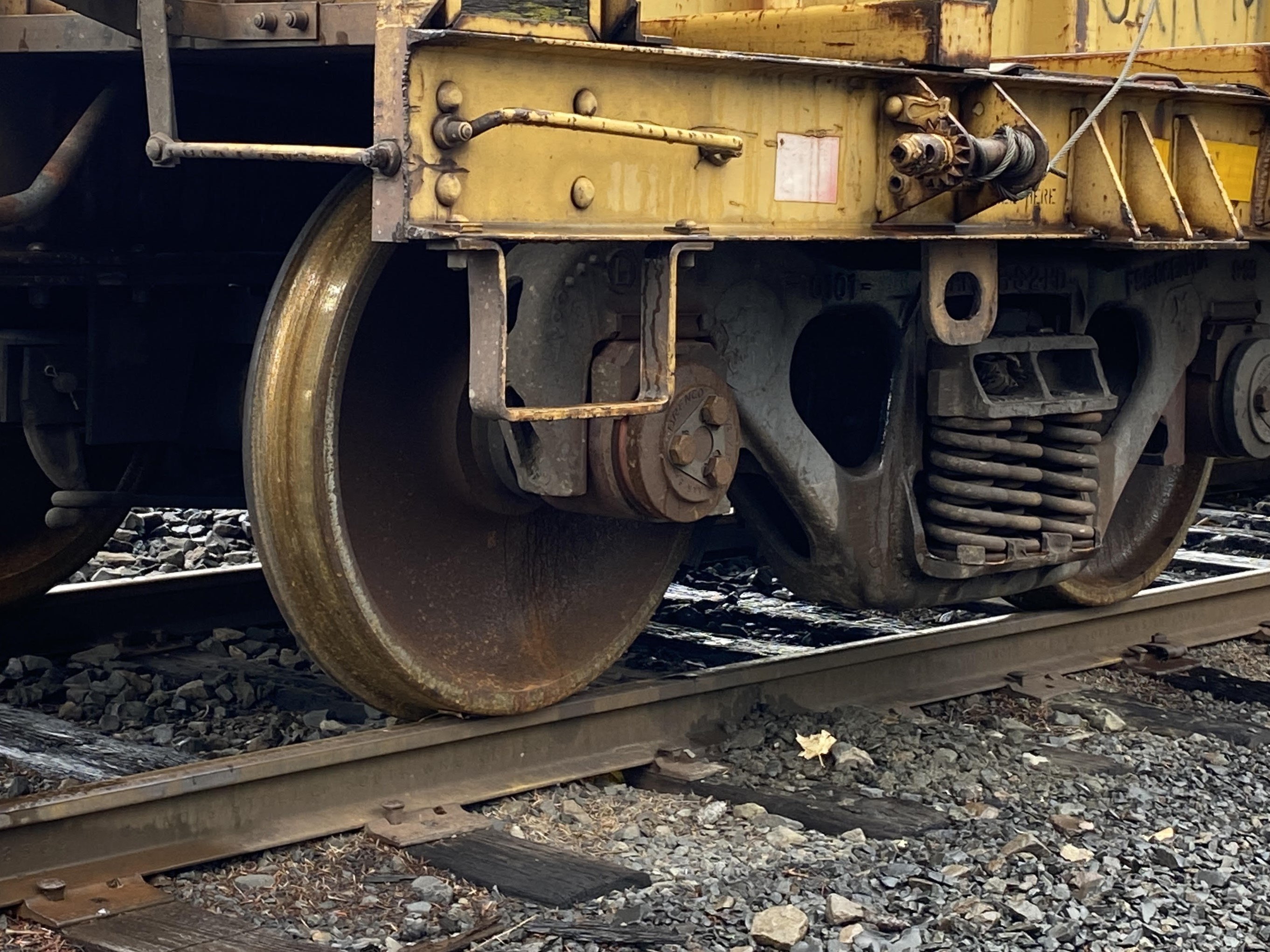
A couple of months ago, as I was waiting with about 50 people outside the Washougal School District main office to go into a school board meeting, I looked across Evergreen Way and saw a group of about eight young people stepping over the railroad tracks on foot. Then they crossed the road and proceeded toward town on the sidewalk. I was shocked. What dangerous and risky behavior! The teacher I’d been chatting with told me, “Oh, yeah. They do that all the time. And sometimes, if there’s a slow-moving train going by, they jump on to hitch a ride down to Safeway.”
Yikes!
I gave some thought to how community members on the south side of the BNSF tracks are cut off from the rest of Washougal. For a student who lives in the Addy Street neighborhood and walks to Jemtegaard Middle School or Columbia River Gorge Elementary School, the safe route — one that takes them over a grade-level, pedestrian-friendly railroad crossing — is three miles long. Roughly the same is true for students walking to the high school. The proposed 32nd Street underpass project won’t fix the problem, because it won’t shorten the walking distance to school for kids who live in this neighborhood.
Given the alternative, no wonder young people are so tempted to take a shortcut and jump over the tracks. But — I’ll say it again — these shortcuts are dangerous. In fact, five years ago a Washougal High School student lost a leg on this very section of tracks!
A couple of years ago, as a summer school project, students actually researched the idea of building a pedestrian bridge over the tracks from the Addy neighborhood.
So as I look at the five projects the city has identified — all of which would be either very worthwhile or just plain lovely additions to the quality of life for those of us who live on the north side of the tracks — I have to wonder. Are we really doing our best to care for all of our community members? Can we look for a solution to this problem, and prioritize it above all else?
In 2021, as a summer school project, students actually researched the idea of building a pedestrian bridge over the tracks from the Addy neighborhood. They surveyed residents, worked with engineers to explore bridge designs, measured walking distances, and learned about funding sources. They were excited by the process, and by the prospect of making a worthwhile contribution to our community.
I wish our leaders would share their excitement. In my dreams, they would push this project to the very top of our civic to-do list. It’s that important.
Julie Allen moved to Washougal nine years ago with her wife and daughter. She works for Mt. Hood Community College.
Top photo courtesy Melanie Wilson.


Leave a Reply